
Second Chance Home Loans • NMLS #303217
Getting a Mortgage After Bankruptcy or Foreclosure in Florida
Some programs approve you one day after a bankruptcy discharge. Here’s what they actually require — and when waiting a few months saves you tens of thousands. Straight answers, no judgment.

The minimum time after a bankruptcy discharge before certain non-QM programs will lend. It’s real — with roughly 35% down.
Minimum credit score on second-chance programs. Below that, the first move is a short credit-rebuild plan — we help with that for free.
The milestone where caps loosen — and where FHA opens at 3.5% down after a Chapter 7. Timing is everything.
Yes, It’s Real — You Can Get a Mortgage Right After a Bankruptcy
If you’ve been through a bankruptcy, foreclosure, or a stretch of late mortgage payments, you’ve probably been told to wait seven years and hope. That advice is out of date. Current non-QM (non-qualified mortgage) guidelines we broker will approve a borrower as soon as one day after a bankruptcy discharge, and twelve months after a foreclosure or short sale.
Here’s what nobody puts in the headline: those programs are strict about everything else. The closer you are to the event, the more skin they want in the game. This page lays out the actual numbers — and just as importantly, when taking one of these loans is smart and when waiting a few months will save you tens of thousands of dollars.
The Timeline: What You Can Get, and When
Everything in second-chance lending runs on “seasoning” — how much time has passed since your discharge or foreclosure completed. Here is the real ladder, from current guidelines:
| Time since event | What’s available | Down payment / equity needed | The fine print |
|---|---|---|---|
| 1 day – 12 months | Non-QM “non-prime” loan | ~35% down (65% financing) | Loan capped around $750K; 3 months of payments in reserve; rate well above advertised rates; 30-year fixed only |
| 12 – 24 months | Non-QM non-prime loan | ~30–35% down | Foreclosures and short sales enter here at 12 months; same reserve and income tests |
| 24+ months | Non-QM at full program limits | ~30% down (70% financing) | Caps lift to ~$1.5M; cash-out refinancing opens at 65% |
| 2 years after Ch. 7 discharge | FHA — the milestone | 3.5% down | Normal rates, normal loan limits. This is the milestone most people should actually plan around |
| 2 years | VA (eligible veterans) | $0 down | 2 years after Ch. 7 or foreclosure; some lenders flex with strong files |
| 3 years | FHA after foreclosure / USDA | 3.5% / $0 down | Clock starts when title actually transferred — pull the date, don’t guess |
| 4 – 7 years | Conventional | 3–5% down | 4 years after Ch. 7 (2 with documented extenuating circumstances); 7 after foreclosure |
This is exactly why you want a broker for this and not a single bank: we quote the loan you can get today and the loan you could get at the next milestone, side by side, with real payment numbers on both. Sometimes buying now wins. Often the 24-month mark wins by a mile.
What These Programs Actually Check
Second-chance underwriting is less about your past and more about proving the problem is behind you. Current guidelines look at five things:
- Seasoning — time since discharge or completed foreclosure, to the day. Get your exact dates from your discharge paperwork.
- Down payment or equity — the big one. Roughly 35% inside the first year, easing to 30% after 24 months. Gift funds from family are allowed, but you’ll typically need at least 5% of your own money in the deal.
- Reserves — about 3 months of full house payments (principal, interest, taxes, insurance) in the bank after closing.
- Residual income — at least $2,500 a month left over after all bills, plus more per dependent. The lender actually runs this calculation.
- Housing history since the event — here’s the forgiving part: multiple 30- and even 60-day late mortgage payments in the last year can still qualify at full program limits. A 90-day late drops you a tier, but doesn’t end the conversation.
Debt-to-income can run up to 50%, and the products are 30-year fixed — no interest-only, no balloons. If you’re self-employed, bank-statement income documentation works on these programs too; no tax returns needed.
Chapter 13 Is Its Own Animal
A Chapter 13 repayment plan has friendlier rules than most people realize. With FHA, you don’t necessarily wait for discharge at all: after 12 months of on-time plan payments and permission from the court, you can buy during the plan. And once a Chapter 13 discharges, the waiting periods are shorter across the board. If you’re in a plan now, bring your payment history and your dates — this is a scenario where a broker earns their keep.
The Florida Fine Print (Read This if You’re Near Ocala)
The second-chance non-QM programs have property rules that matter a lot in Marion County and rural Florida: no rural properties, no agricultural zoning, no parcels over 10 acres, and no manufactured homes. Single-family homes, townhomes, condos — including non-warrantable condos — and 2–4 unit properties are all fine.
If you’re trying to finance a manufactured home or a property with acreage after a credit event, that’s not a dead end — it just means a different lender on our shelf. We broker manufactured home loans through separate programs, and we’ll tell you straight which combination is actually financeable.
When NOT to Take the Second-Chance Loan
Here’s the part of this page a lender who only sells one product won’t write. Say you’re 16 months past a Chapter 7 with 30% down saved on a $300,000 house. You can close next month on a non-prime loan — at a rate several points above market. Or you can wait 8 months, qualify for FHA at 3.5% down with a normal rate, keep $80,000+ of your cash, and pay hundreds less per month.
Sometimes buying now really is right — a below-market deal, a lease ending, prices running away from you, or a plan to refinance the moment you hit the FHA milestone. Buy-then-refinance is a legitimate strategy and we structure it deliberately. But you should make that choice with both sets of numbers in front of you. That’s the promise on this page: tell us your dates, and we’ll tell you honestly whether now is your moment — or exactly when it will be.
Mortgage After Bankruptcy & Foreclosure FAQ
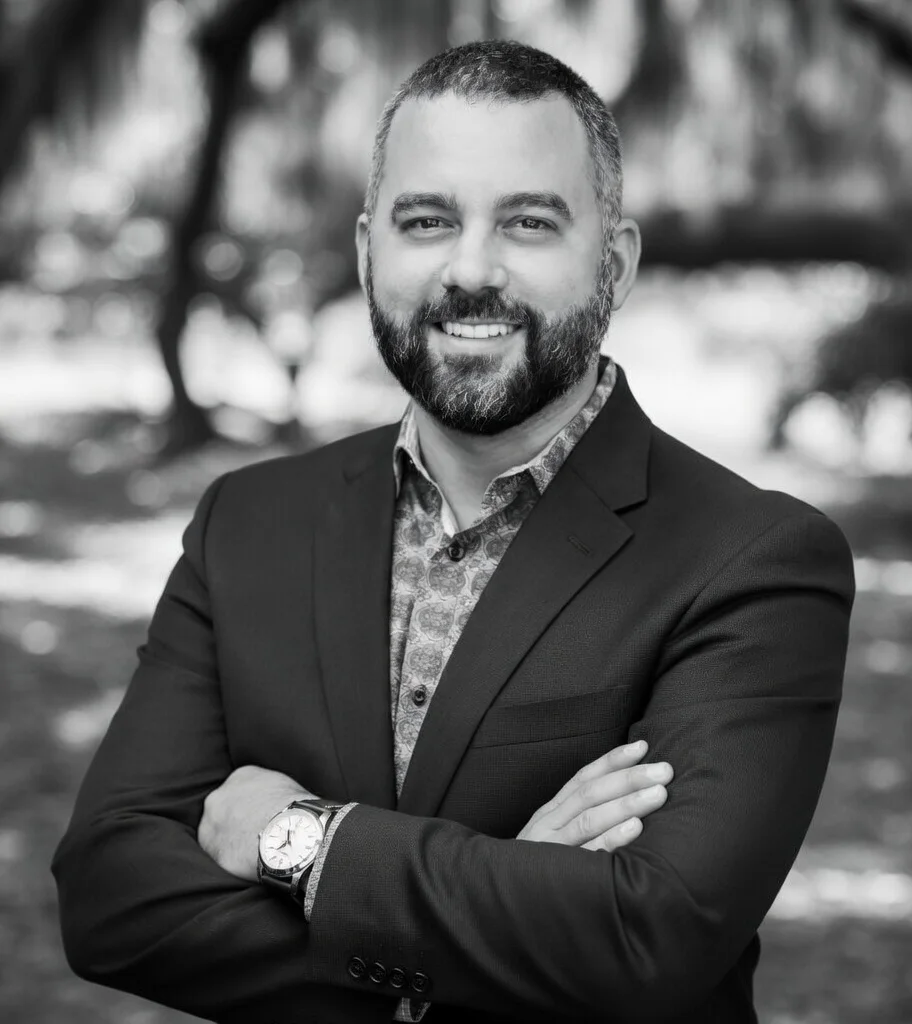
About the Author
Keith Meredith
Division President, Black Rock Mortgage
NMLS 303217 · 16+ years originating · $100M+ in mortgages closed
Keith Meredith is a 16 year mortgage industry expert who has originated over $100,000,000 in mortgages. Headquartered in Ocala, Florida, Keith runs Black Rock Mortgage as a division of Coast 2 Coast Mortgage, a lender licensed in 40 states. Keith specializes in manufactured home financing, self-employed mortgages, VA construction loans, and helping first-time buyers navigate FHA, USDA, and conventional programs. He creates written and video content to help borrowers understand their financing options.
Call or text directly: 352-619-4959 · Follow Keith on X, Facebook, Instagram, and LinkedIn
Straight Answers
Find Out Where You Actually Stand
Two minutes, no credit pull, no judgment — and an honest answer about whether now is your moment, or exactly how to get there.
Ready for a Full Application?
Second chance mortgages across Central Florida
Black Rock Mortgage is headquartered in Ocala and closes loans across the state. Buying locally? See how we handle second chance mortgages in Ocala, second chance mortgages in Gainesville, second chance mortgages in Belleview, and second chance mortgages in The Villages — or compare every Florida mortgage program we offer.