
Florida Non-QM Loans • NMLS #303217
Florida Non-QM Loans — Alternative-Documentation Mortgages
Bank statement, DSCR, asset-based, and 1099 programs for when traditional guidelines don’t fit your file.

No Tax Returns
Most of these programs never ask for a 1040. We qualify you off bank statements, a P&L, the property’s cash flow, or your assets instead.
Built for How You Earn
Business owners, real estate investors, retirees, contractors, foreign buyers — each one has a program built around the way the money actually comes in.
Same Loan Sizes
Don’t let anyone tell you non-QM is a consolation prize. With a strong file these go to $5M+. The qualification path is different — the loan amount isn’t capped because of it.
Florida Non-QM Programs — Choose Your Qualification Path
Each program qualifies you a different way. Find the one that matches how you actually earn:
P&L Only
A profit-and-loss statement from your CPA. No tax returns, no bank statements. Best if your books are clean and your business is established.
Asset Depletion
We take your liquid assets — investments, retirement, savings — and turn them into a monthly income figure you qualify on. Made for retirees and anyone who’s asset-rich but light on monthly income.
1099 Mortgage
Two years of 1099s. If you’re a contractor, gig worker, agent, or commissioned salesperson with a steady 1099 history, this fits.
Foreign National
No US tax returns. ITIN or alternative ID works. We qualify you on assets. This is for buyers who don’t live in the US but want to own here — and Florida’s one of the busiest markets in the country for it.
Florida Non-QM Programs — At a Glance
| Program | Income Doc | Min FICO | Min Down | Max Loan |
|---|---|---|---|---|
| Bank Statement | 12-24 mo statements | 620 | 10% (680+) | $3M typical |
| DSCR | None — property cash flow only | 660 | 20% | $3M typical |
| P&L Only | CPA-prepared P&L | 700 | 20% | $3M |
| Asset Depletion | Liquid asset balances | 700 | 20% | $3M |
| 1099 Mortgage | 2 years 1099s | 660 | 10% | $2M |
| Foreign National | Asset-based, alt ID | n/a (alt credit) | 30% | $2M |
| WVOE / Written VOE | Employer/business letter | 620 | 10% | $1.5M |
| ITIN (no SSN) | Full doc, bank statements, or P&L | No score OK | 15% | $1.5M |
| Non-Prime (after BK/foreclosure) | Full doc or bank statements | 620 | 30-35% | $1.5M |
Two specialty paths get their own full guides: ITIN home loans in Florida — no Social Security number required, and no credit score needed on some tiers — and getting a mortgage after a bankruptcy or foreclosure, where programs open as soon as one day after discharge.
Newly self employed? One more niche worth knowing: lenders normally require five or more years of self employment before they’ll qualify you on a single year of tax returns. We work with a specialty outlet that accepts one year of returns on a brand-new business — no five-year history, no waiting for year two.
Here’s the honest trade-off: non-QM rates run about 0.5% to 1.5% higher than a standard conventional loan at the same credit score and down payment. That’s the price of skipping the tax returns. For most of my non-QM clients it’s an easy call — a slightly higher rate beats not buying the house at all. And the gap is a lot smaller than it used to be; this market has grown up since 2020 and the spreads have come way in.
One more niche with its own guide: condotel financing — the non-warrantable condo-hotel units Fannie and Freddie won’t touch.
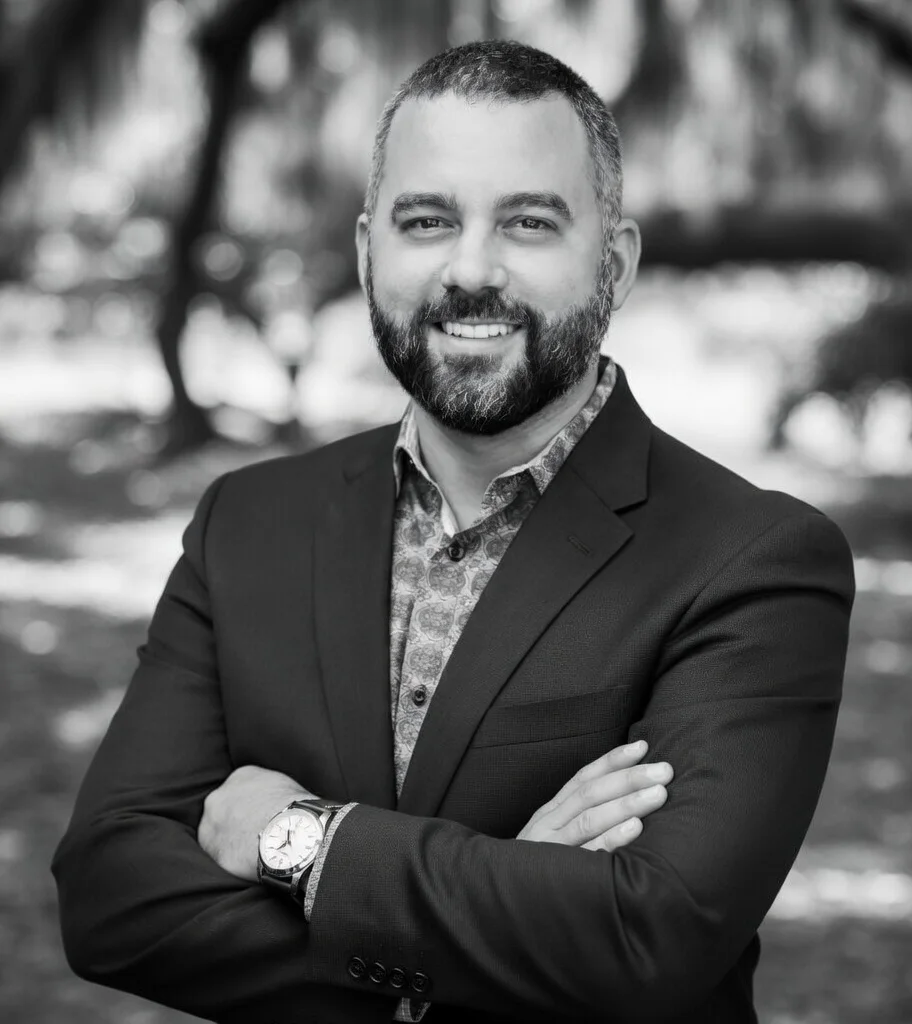
About the Author
Keith Meredith
Division President, Black Rock Mortgage
NMLS 303217 · 16+ years originating · $100M+ in mortgages closed
Keith Meredith is a 16 year mortgage industry expert who has originated over $100,000,000 in mortgages. Headquartered in Ocala, Florida, Keith runs Black Rock Mortgage as a division of Coast 2 Coast Mortgage, a lender licensed in 40 states. Keith specializes in manufactured home financing, self-employed mortgages, VA construction loans, and helping first-time buyers navigate FHA, USDA, and conventional programs. He creates written and video content to help borrowers understand their financing options.
Call or text directly: 352-619-4959 · Follow Keith on X, Facebook, Instagram, and LinkedIn
Ready When You Are
Get Your Non-QM Pre-Approval
Bank statement, DSCR, asset-based, and 1099 programs for when traditional guidelines don’t fit. Send us your file.
Ready for a Full Application?
Non-QM loans across Central Florida
Black Rock Mortgage is headquartered in Ocala and closes loans across the state. Buying locally? See how we handle non-QM loans in Ocala, non-QM loans in Gainesville, non-QM loans in Belleview, and non-QM loans in The Villages — or compare every Florida mortgage program we offer.